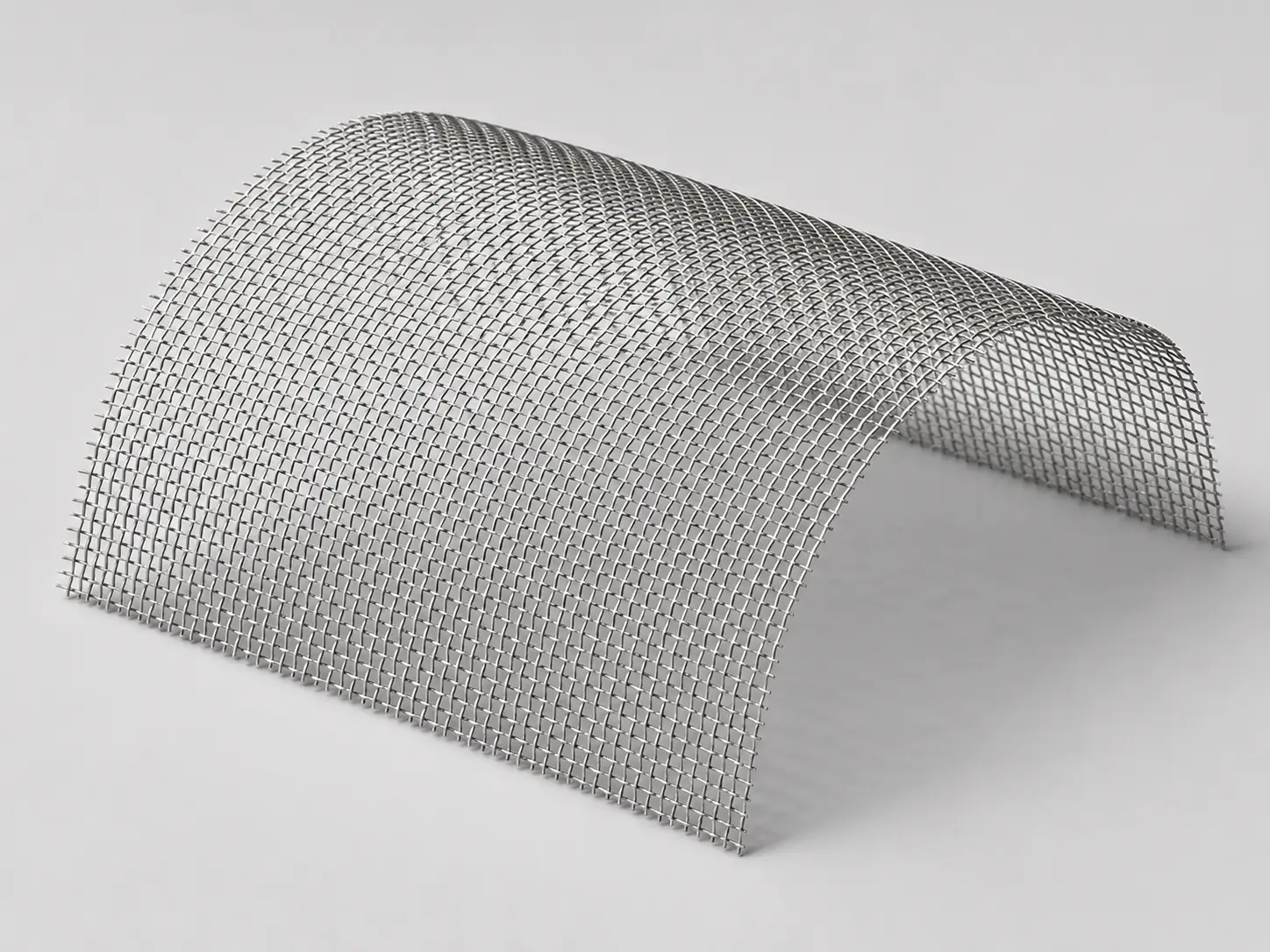
Woven Titanium Wire Mesh
Specify: Wire diameter · Aperture · Mesh count · Weave
Woven mesh reviewed by wire feedstock, aperture, weave, open area, roll or sheet size and edge requirements.

Woven · Expanded · Perforated · Fabricated
Source solid titanium mesh and drawing-based components with the mesh construction, feedstock grade, geometry, overall dimensions, fabrication, inspection and documents aligned before quotation.
Before comparing quotations: freeze the mesh construction, feedstock grade and specification, form-specific geometry, overall size, edge, fabrication, inspection, documents and commercial basis.
Titanium Mesh Range
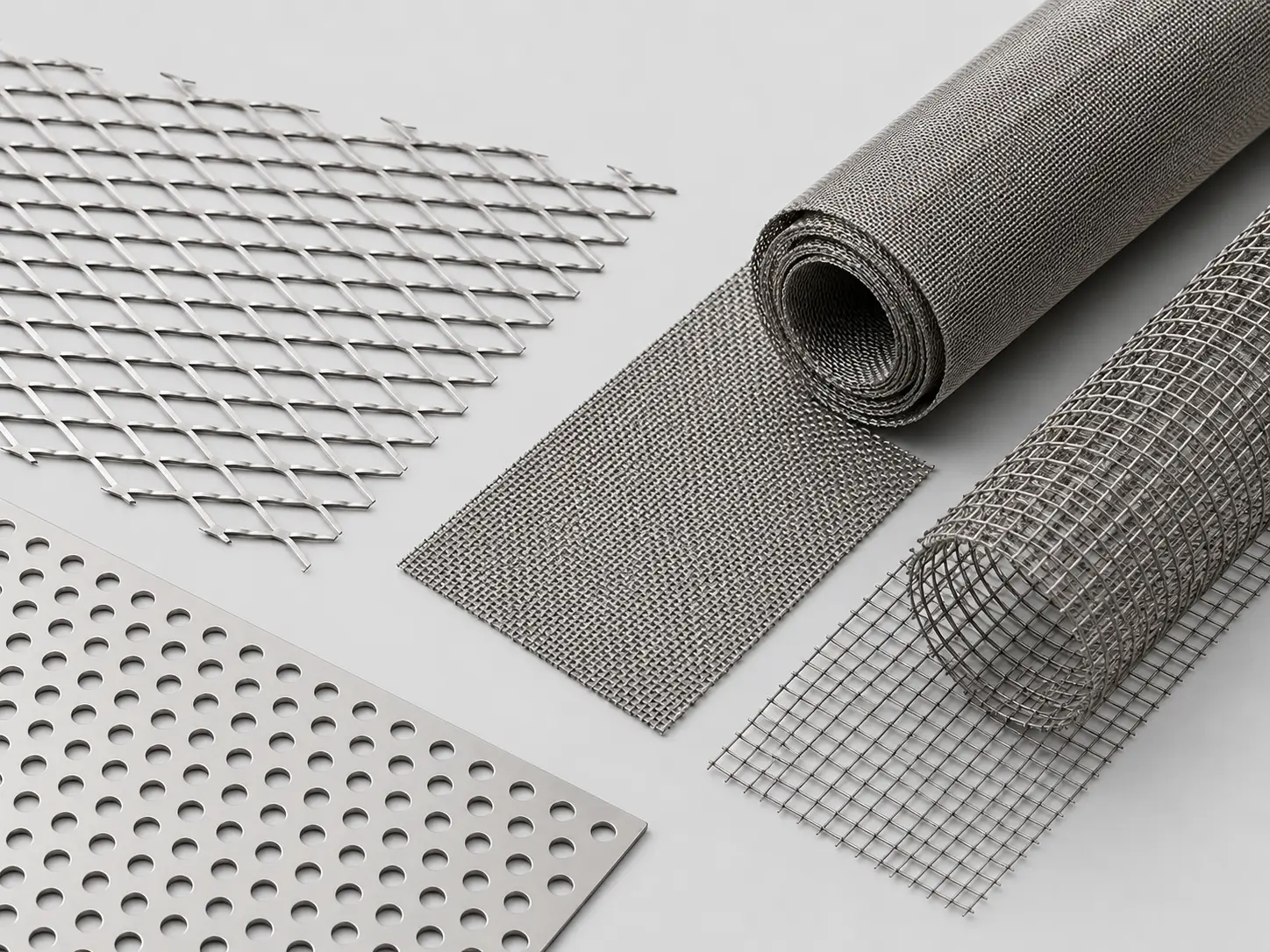
Woven, expanded, perforated and welded mesh use different feedstock and dimensional language. One generic “mesh size” cannot define all four.
Specify: Wire diameter · Aperture · Mesh count · Weave
Woven mesh reviewed by wire feedstock, aperture, weave, open area, roll or sheet size and edge requirements.
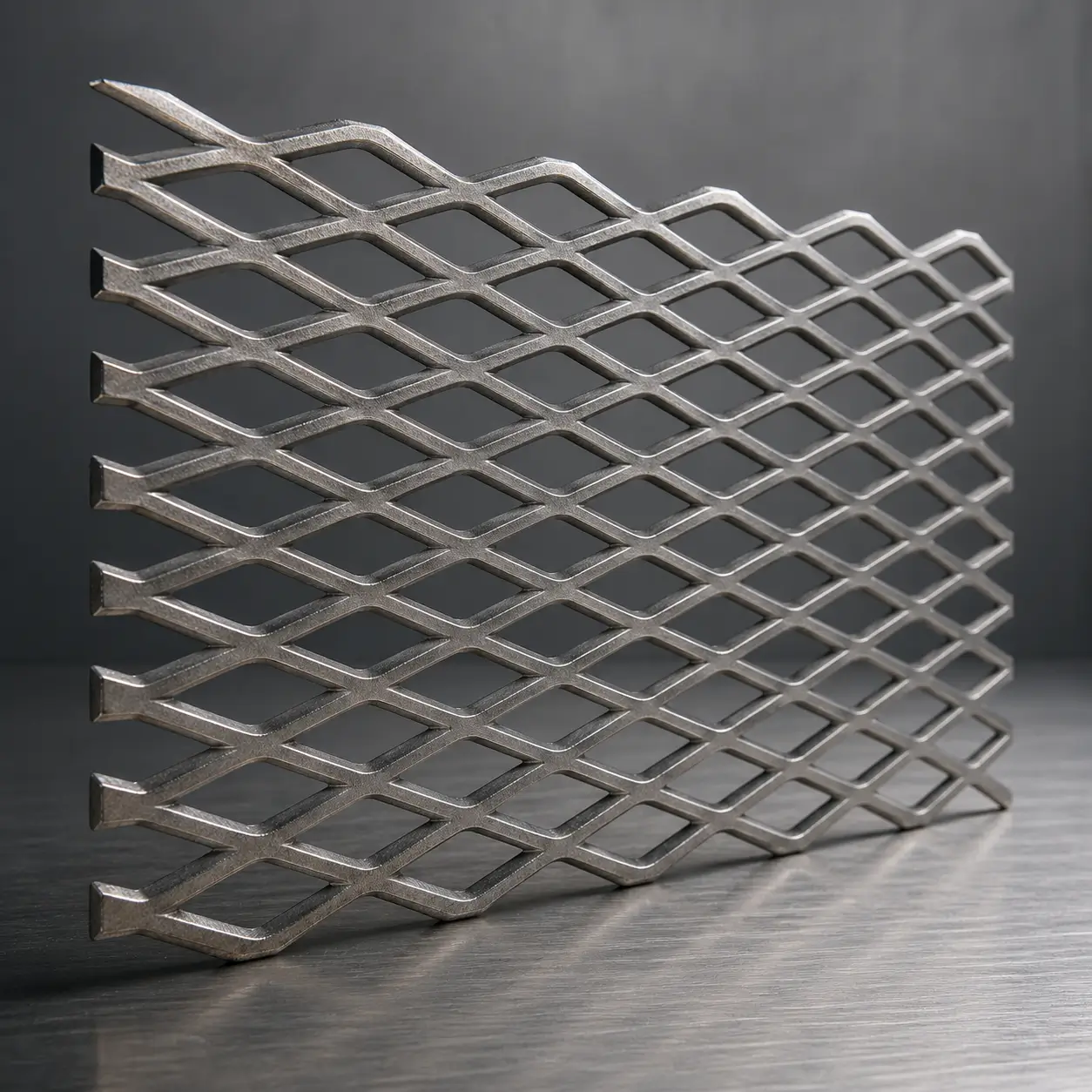
Specify: Thickness · SWD · LWD · Strand · Raised/flat
Slit-and-expanded mesh reviewed by sheet or strip feedstock, diamond geometry, orientation and overall condition.
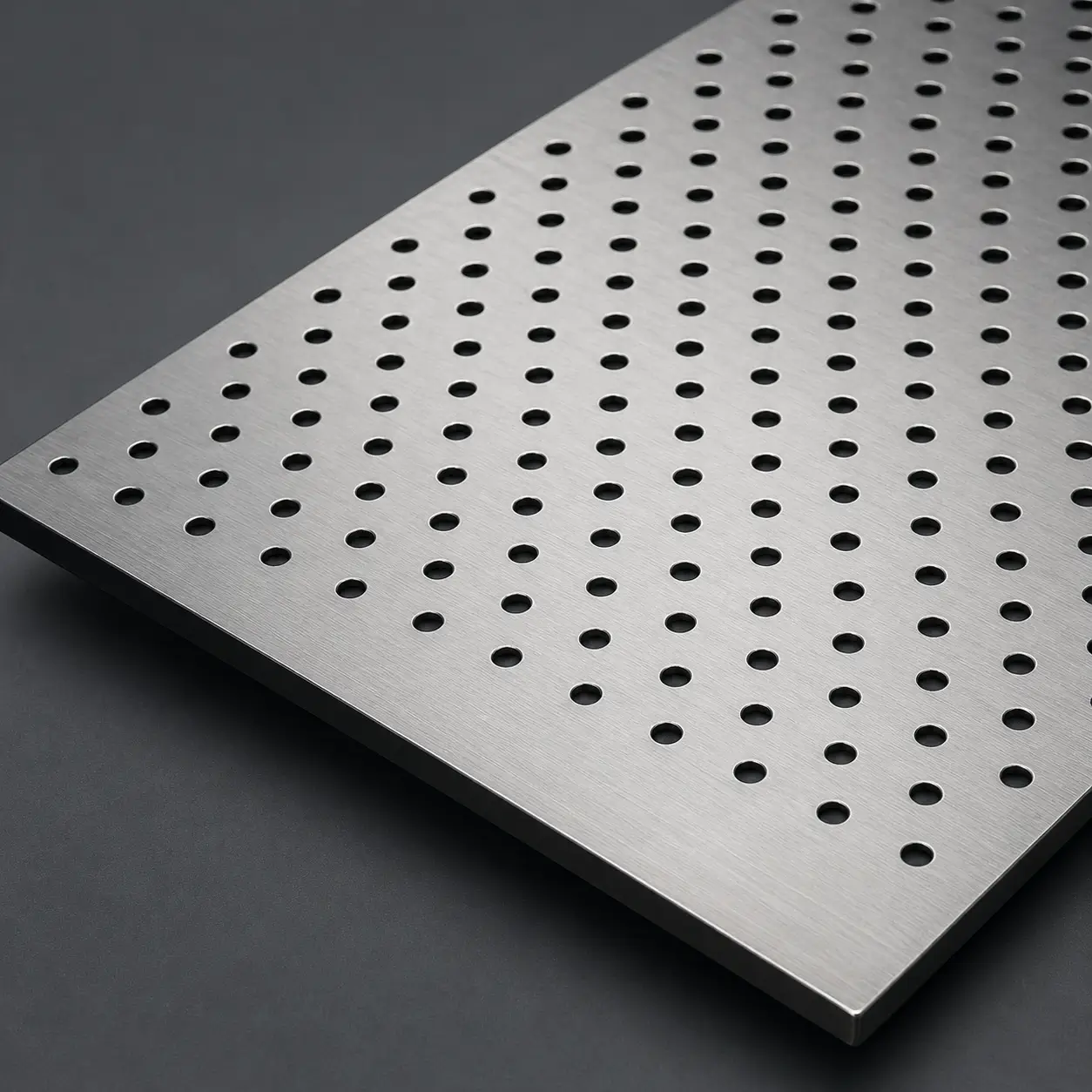
Specify: Thickness · Hole shape/size · Pitch · Pattern
Perforated sheet controlled by hole geometry, spacing, margins, open area, flatness and edge condition.
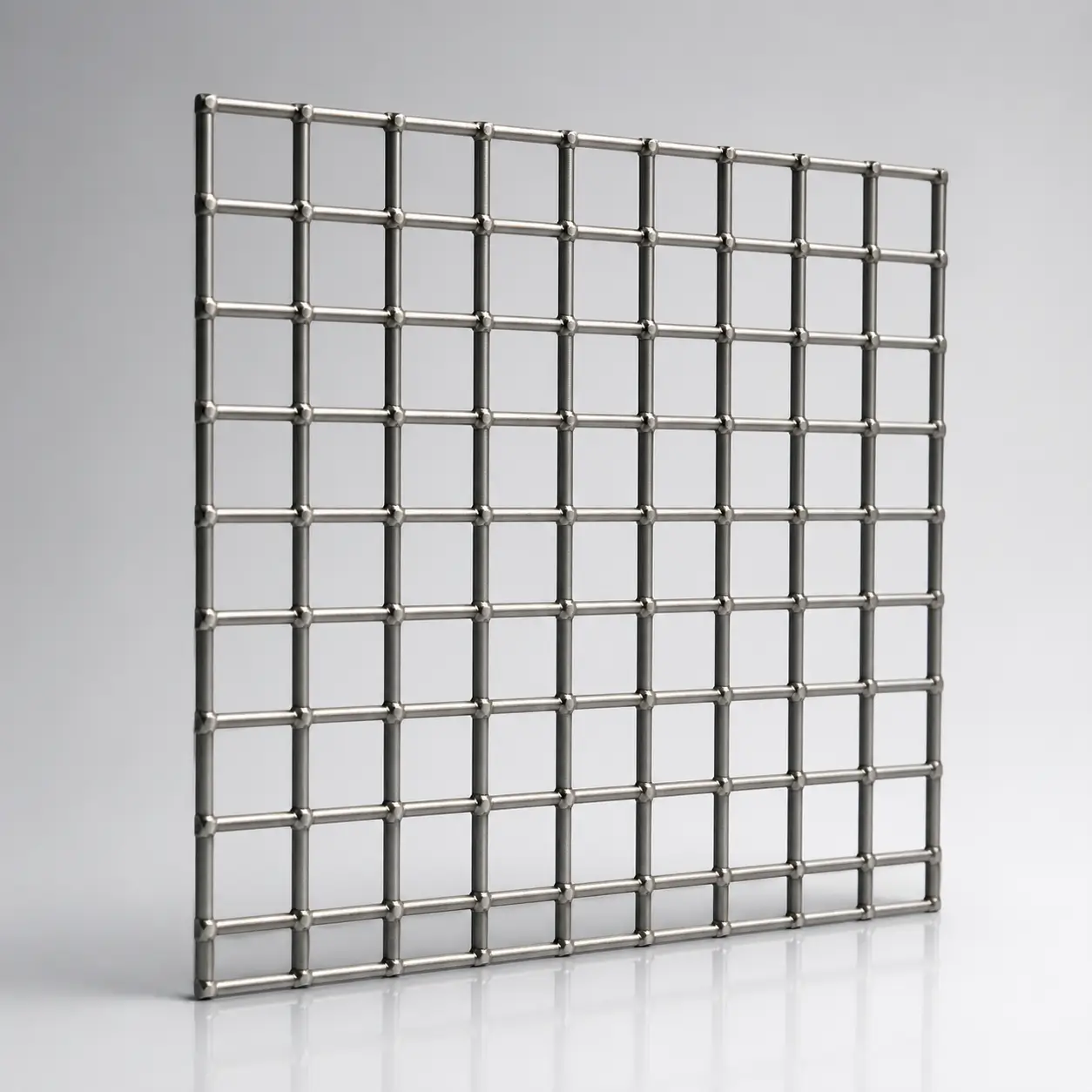
Specify: Wire diameters · Spacing · Joint · Panel size
Crossed-wire panels reviewed by wire identity, spacing, joint design, flatness and fabrication requirements.
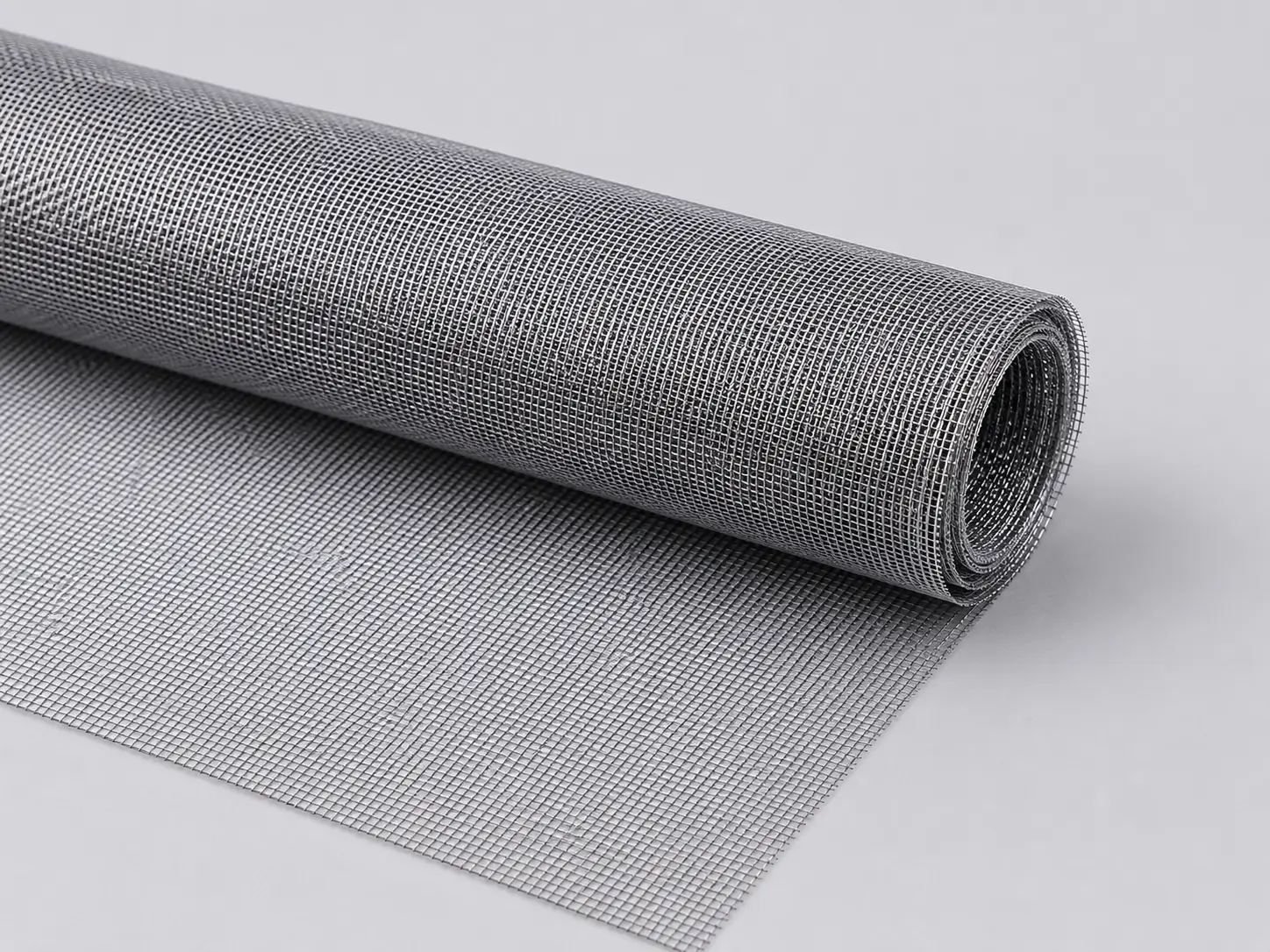
Specify: Construction · Width · Length · Edge · Packing
Standard or project-specific sheet and roll formats reviewed against handling, flatness and transport needs.
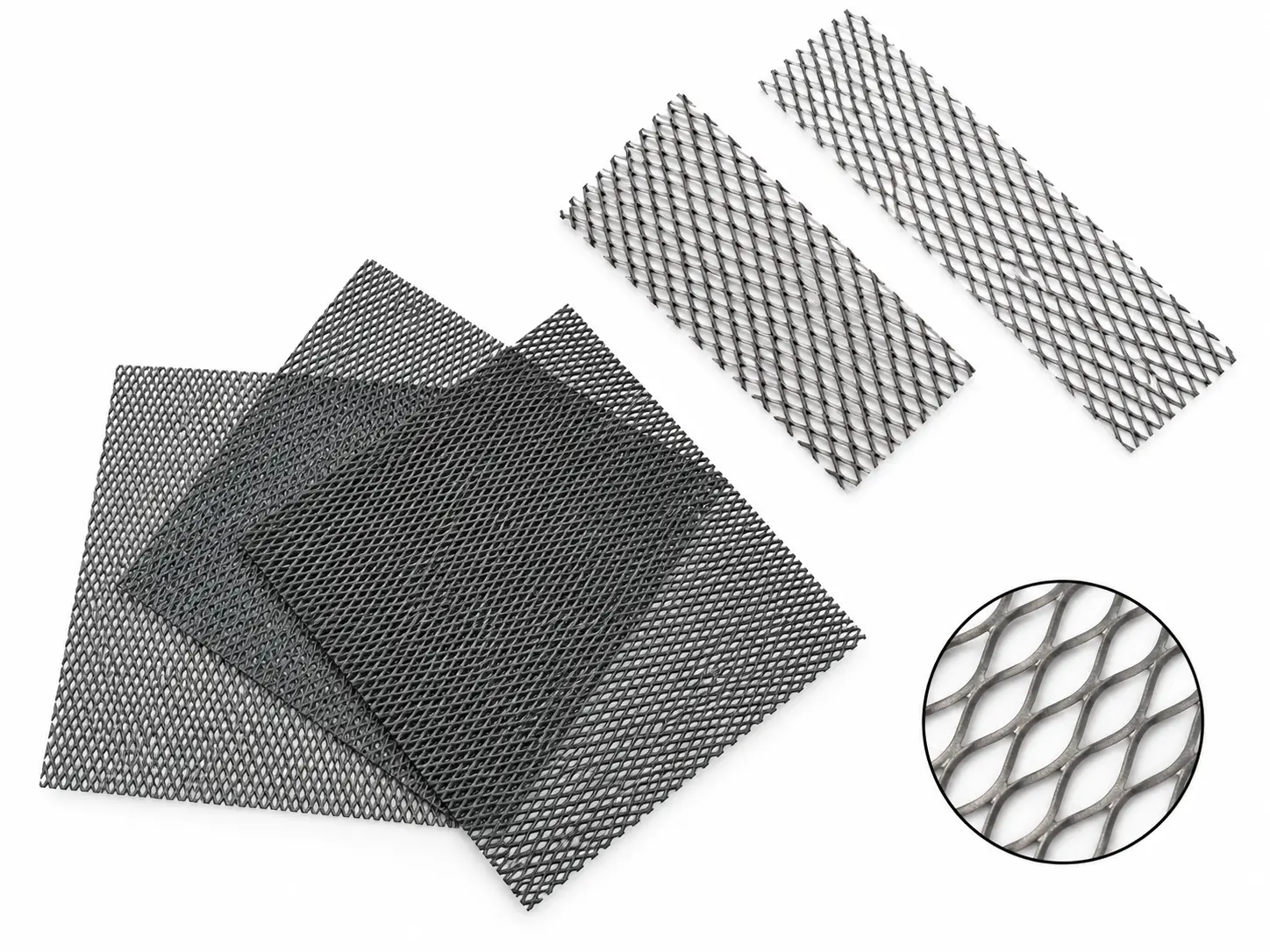
Specify: Drawing · Profile · Orientation · Edge · Quantity
Discs, panels, screens and profiles cut to an approved drawing with inspection points identified.
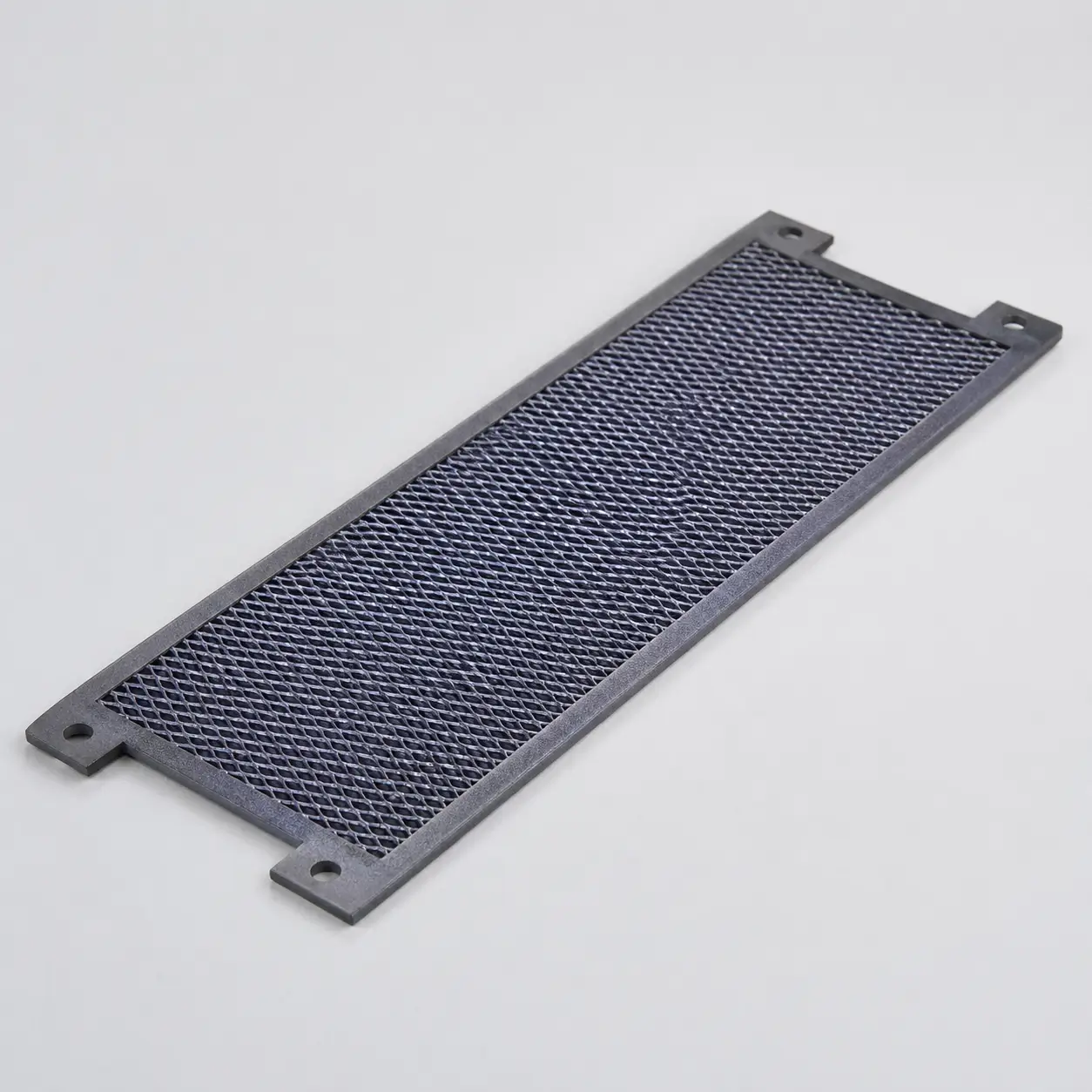
Specify: Drawing · Forming · Welds · Tabs · Tolerance
Formed, rolled, framed or welded mesh components reviewed as an explicit fabrication scope.
Specify: Geometry · Grade · Active area · Connection
Bare titanium mesh for electrode fabrication; coating system and finished-anode performance require a separate approved scope.
Geometry, overall dimensions, edge condition, fabrication and availability are confirmed per quotation for each mesh construction.
Specification Mapping
ASTM B863 may control titanium wire feedstock and ASTM B265 may control titanium sheet or strip feedstock. Neither replaces the drawing or purchase specification for the finished mesh.
| Mesh form | Typical feedstock basis | Geometry to specify | Finished-product control |
|---|---|---|---|
| Woven | Titanium wire; B863 when ordered | Wire diameter, aperture/count, weave, open area | Width/length, edges, flatness, surface, inspection |
| Expanded | Titanium sheet/strip; B265 when ordered | Thickness, SWD, LWD, strand, raised/flat | Orientation, size, edge, flatness, fabrication |
| Perforated | Titanium sheet; B265 when ordered | Hole, pitch, pattern, margins, open area | Sheet size, burr/edge, flatness, cut profile |
| Welded | Titanium wire; ordered material basis | Wire sizes, spacing, joint and panel geometry | Joint acceptance, flatness, edges and frame |
Mesh Selection Guide
Mesh count is not an aperture by itself. Flow, current distribution and mechanical behavior depend on geometry, material, thickness, support and fabrication together.
Screening, flow distribution, support, guard, electrode substrate or fabricated component.
Woven, expanded, perforated or welded; raised/flat and weave where applicable.
Grade, feedstock standard, opening system, thickness, strand/wire and tolerance.
Overall size, orientation, edges, forming, welding, frame, inspection and packing.
Mesh forming is carried out by qualified mills under the agreed control plan. Cutting, forming, framing, welding and inspection are completed in our own facility. The feedstock source and document package are recorded in the quotation.
Function, construction and drawing
Grade, specification and identity
Weave, expand, perforate, weld or fabricate
Geometry, size, edge, surface and records
Identity, documents and protective packing
Inside HELE Titanium
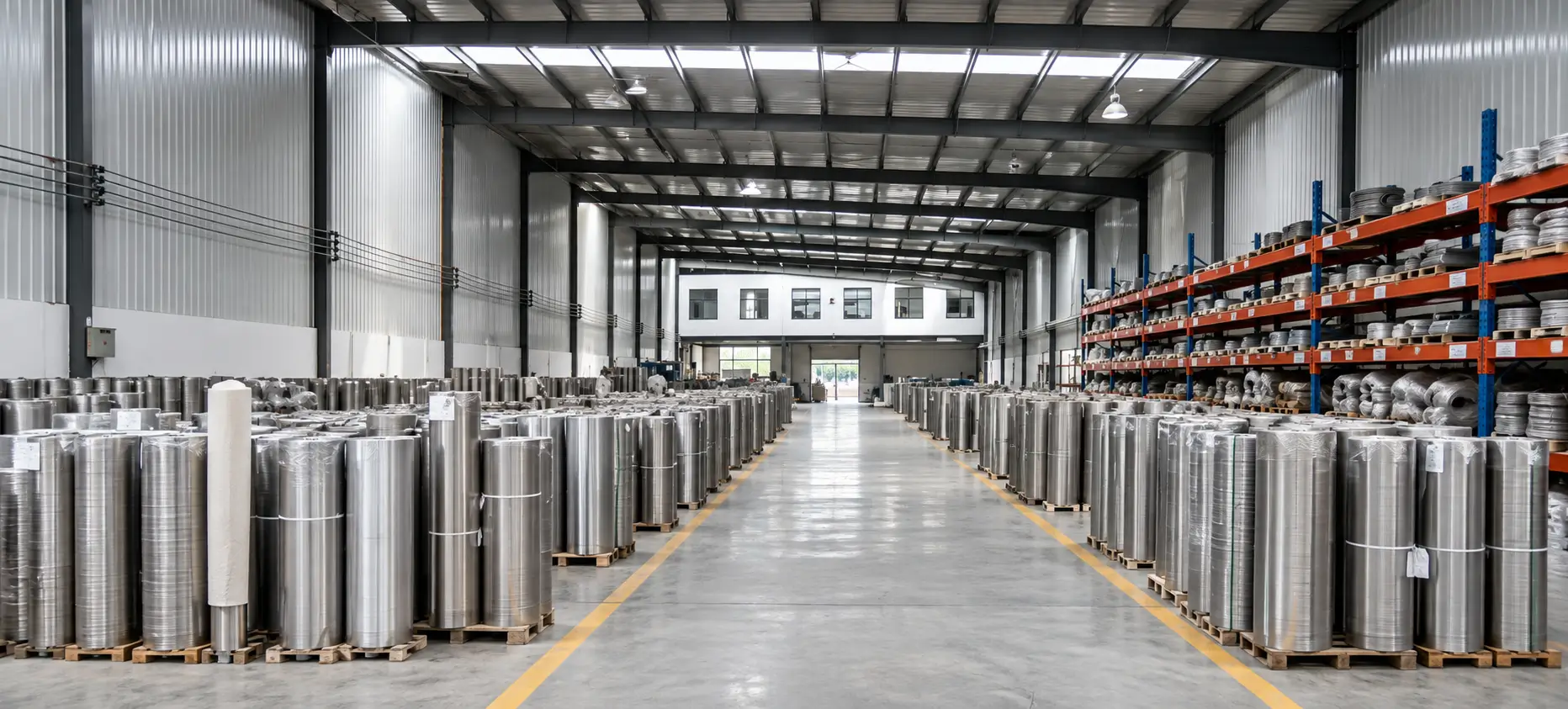
A brief view of HELE Titanium’s mesh-related production and inspection environment. The actual source, equipment, processing and inspection scope for an order are confirmed separately.
Application Review
These four application groups require different flow, electrical, structural, fabrication and acceptance inputs.

Define particle or aperture requirement, open area, pressure drop, media, temperature, cleaning, edge and support conditions.
Review the application context →Define active area, current path, connection, substrate geometry, surface preparation and the boundary between bare mesh and finished anode.
Review the application context →
Review media, concentration, contaminants, temperature, velocity, crevices, load, fabrication and maintenance conditions.
Review the application context →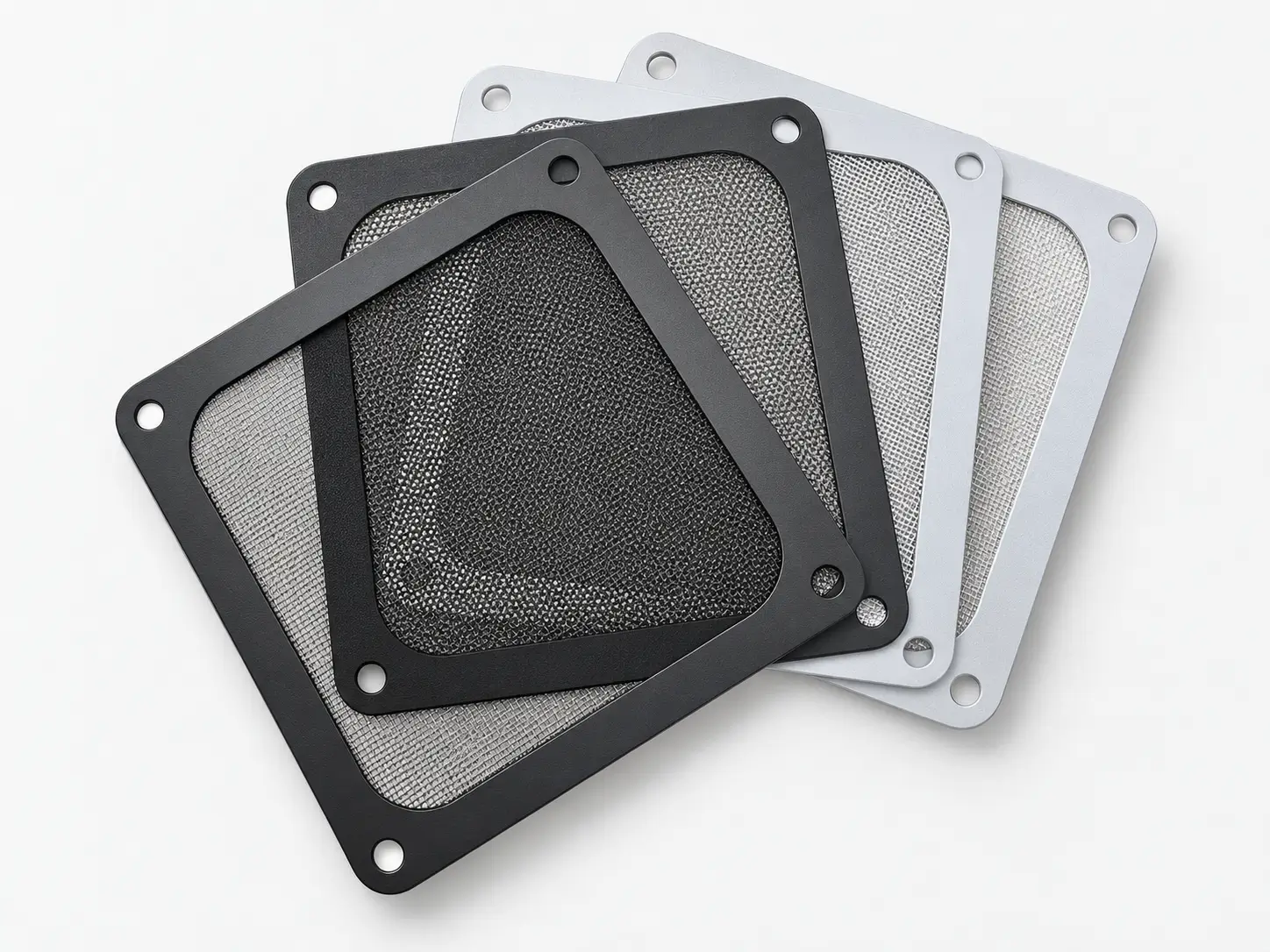
Control mesh orientation, cutting, forming, welding, frames, tabs, tolerances, inspection and assembly responsibility by drawing.
Review the application context →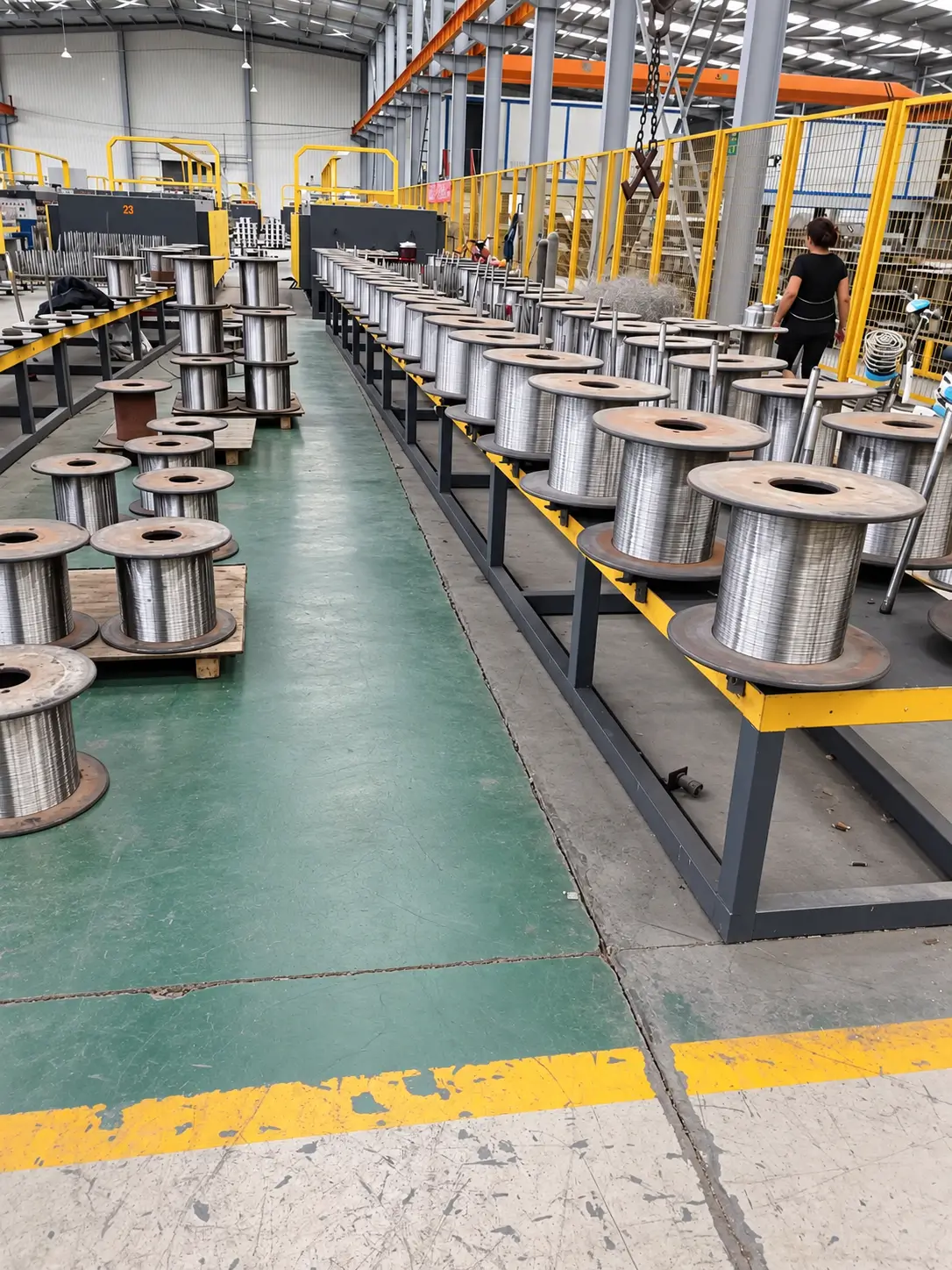
Supply Scope & Qualification
Evidence should connect the feedstock, finished geometry and fabricated part to the purchase order. Test names without method, sampling and acceptance criteria are not a complete inspection scope.
Confirm construction, feedstock, grade, geometry, overall size, orientation, edges, fabrication, inspection, traceability, packing, exceptions and delivery terms. Treat bare anode substrate and finished coated anode as separate scopes.
Frequently Asked Questions
State the mesh construction, titanium grade, feedstock specification and revision, form-specific geometry, overall dimensions, edge condition, quantity, fabrication, inspection, documents, packing and destination. Add a drawing for cut or fabricated parts.
Woven mesh is made from intersecting wire and is described by wire diameter, aperture, mesh count and weave. Expanded mesh is slit and stretched from sheet or strip and is described by thickness, SWD, LWD, strand width and raised or flattened condition.
No. B863 can govern titanium wire feedstock, while B265 can govern titanium sheet or strip feedstock. Finished mesh geometry, tolerances, edges, fabrication and acceptance must be controlled by the purchase specification or drawing.
Not from mesh count alone. Aperture also depends on wire diameter and the applicable measurement convention. State both mesh count and wire diameter, or specify the required measured aperture.
No. Bare mesh is a substrate. A finished anode also requires a defined coating system, active area, loading or thickness basis, connection, service conditions, inspection and performance acceptance.
No. Raw-material conformity does not establish finished-device approval, biological evaluation, sterilization validation, clinical suitability or implant performance.
Provide the mesh type, grade, feedstock standard, geometry, overall size and fabrication details where known. Unknown items can remain open for review before quotation.